Skip to content

Verified Panjrapols and sanghs across India

Give to a real need.
Watch it get met.

A shelter posts what it is short of today — fodder, medicine, a roof before the rain — with photographs and an exact cost. You fund it. Then they upload the bill and the pictures of what arrived.

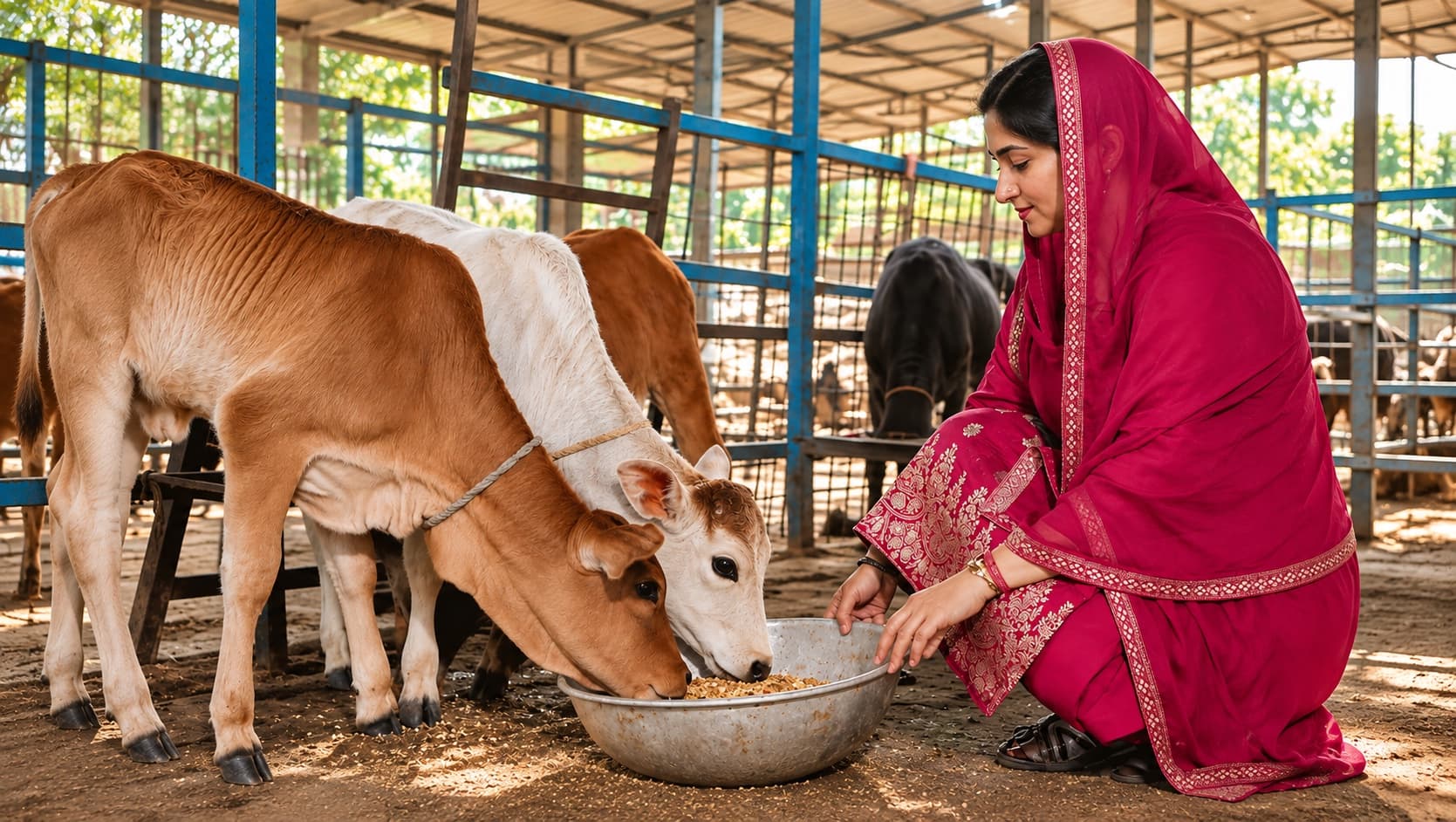
Cattle being fed at a verified Panjrapol supported through Jivdaya Setu

Six-step verification

Papers, a GPS pin and a physical visit before anyone is listed

Straight to their bank

Your donation settles into the organisation’s own account

Bill and photographs

Every closed need carries proof you can look at

80G receipt

Generated for you and kept in the app for tax season

Who you can support

Two kinds of organisation, one standard of proof.

Both clear the same six checks before they appear, and both answer for the money the same way afterwards.

Panjrapols

Cow shelters, also called gaushalas

Hundreds of rescued cattle, fed every morning, every day of the year. They post what has run out: fodder, medicine, water through a dry month, a shed roof that gave way in the rain.

Sanghs and Sansthas

Jain community organisations

Seva run in their own streets, costed honestly and posted openly. Same verification, same bills, same trail as a Panjrapol.

How a donation works here

You fund one specific thing. Then you watch it happen.

  1. 1

    A need gets posted

    500kg of fodder for ₹18,000, with photographs. Not a general appeal.

  2. 2

    You fund it

    All of it or part of it. The money settles into that organisation’s own bank account.

  3. 3

    They buy it and show you

    The purchase bill, then photographs of the feed arriving, then a short note on how it was used.

  4. 4

    Someone checks the proof

    An admin or volunteer reviews it before the need can close.

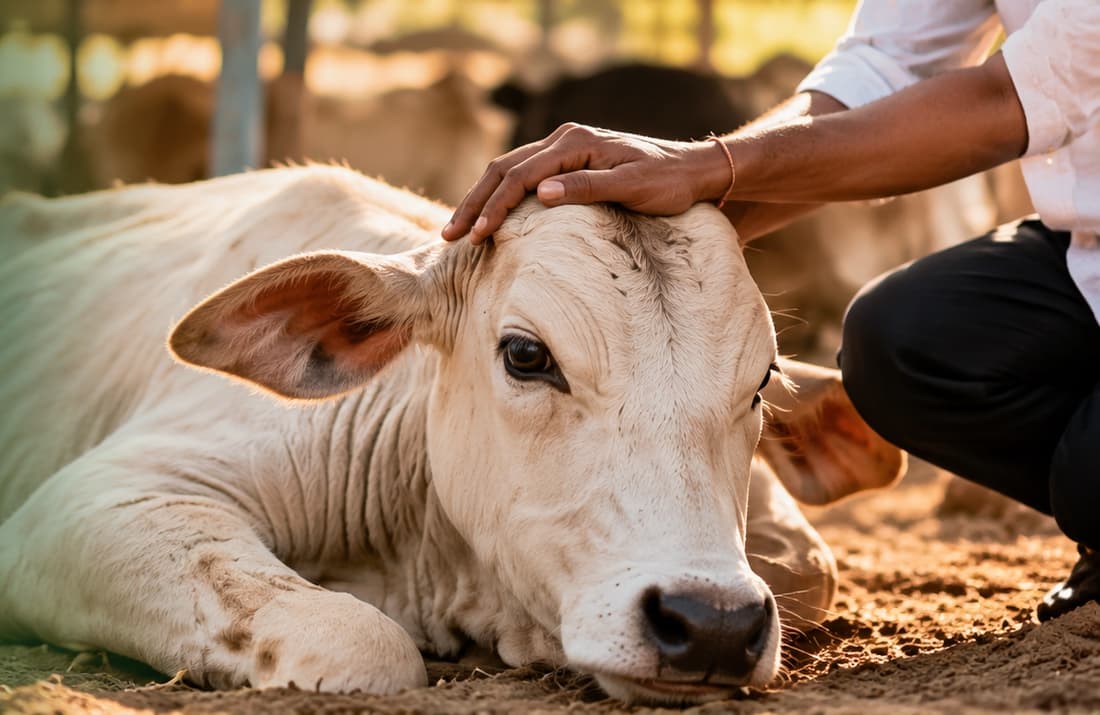
The proof photograph a shelter uploads once a funded need has been bought.

Before a rupee reaches them

Six steps, and a volunteer who actually turns up.

No organisation appears to donors until all six are cleared. Step five is a person standing in the shelter with a camera, not a form.

  1. 01

    Basic information

    Name, address, registration number

  2. 02

    Legal documents

    Trust certificate, PAN, 12A and 80G, bank proof

  3. 03

    Shelter or community details

    Herd size, sick animals, staff, land and capacity

  4. 04

    Geo verification

    GPS location, photographs, a confirmed map pin

  5. 05

    Physical verification

    One of our volunteers visits and files a report with photographs

  6. 06

    Admin approval

    Reviewed against every finding, then listed

How trust is measured and re-checked

Trust score

92 / 100

Verified
Document completeness
92
Utilization completion
88
Inspection findings
95

Illustrative figures. Real scores are computed per organisation and shown on its profile in the app.

Where the money goes

We never hold your donation.

Payments run through Cashfree Easy Split and settle directly into the receiving organisation’s own bank account, usually within a working day or two.

Your 80G receipt is put together for you — one consolidated certificate per organisation per financial year, waiting in the app when you need it.

You

Pay in the app

Cashfree

Split settlement

The shelter

Its own bank account

Jivdaya Setu sits outside this line. We record the transaction so the trail and the receipt work, and that is all we do with the money.

Open needs

This is what you will be choosing between.

The first group of shelters and sanghs is in verification now. As each one clears, its open needs appear here and in the app.

FeedRoutine

500kg of cattle feed

Banaskantha, Gujarat

₹11,500 of ₹18,000

MedicineEmergency

Medicine for eleven injured cattle

Nashik, Maharashtra

₹9,000 of ₹42,000

Shelter repairUrgent

Repair to the monsoon shed roof

Jodhpur, Rajasthan

₹65,000 of ₹65,000 · fully funded

These three show the shape a real need takes. They are not live listings.

Guidance

Under the inspiration of Shilpvidyagya Pu. Pu. Shri Soumyaratna Vijayji Maharaj Saheb

Jivdaya is the care of living beings. It is an old duty, and it has never depended on knowing the animal in front of you.

There are around 7,676 registered Panjrapols in India. A handful are well known and comfortably funded. The rest do the same work quietly, down roads nobody drives past, with no way to be seen.

Jivdaya Setu is built for the rest. It lets someone in Mumbai look after cattle in a village they will never visit, and then see the bill for the feed.

The app is where all of this happens.

Browse verified shelters and sanghs, fund a specific need, and follow it through to the bill. In English, Hindi and Gujarati.

Coming soonGoogle PlayComing soonApp Store

Both buttons go live the day the app is published.